Swell height always gets the spotlight, but swell period, direction, and wind are what actually decide whether your weekend surf trip is a dream or a waste of petrol.
Picture this: you check your favourite surf app on Thursday evening. Three feet, a cheerful green bar, sunny skies—looks ideal. You text the girls, pack the van with board bags and warm flasks, hit the road early, and arrive to find a messy, lumpy ocean with endless whitewater stacked to the horizon. What went wrong? The app didn't lie, but the real secret to a good session was hiding in the numbers you scrolled right past.
Most of us start out reading a forecast the simplest way: glance at the wave height, skip the rest, and hope for the best. It works just often enough to feel reliable, until a string of blown-out sessions ruins a weekend road trip. Here is your friendly, simple guide to decoding the rest of the forecast—so you can stop guessing and start catching the best waves of the day.
Live conditions — Fistral Beach
What a surf forecast actually is
First things first: a forecast isn't a direct live measurement—it's a digital weather model. It's essentially a supercomputer's best prediction of what the ocean will look like a few days down the line.
Global weather computers map out wind and atmospheric pressure across the globe. Specialized wave models take that wind data and calculate how much power it transfers into the ocean surface, tracking those energy waves as they travel across thousands of miles. No matter which surf app you open, that exact process sits under the hood. The small differences between apps usually come down to which weather model they prefer and how often they update.
Real-time observations are different. Wave buoys moored off our coasts measure the ocean in real time. If a buoy reading disagrees with your forecast app, always trust the buoy!
Swell height: why looks can be deceiving
The height number on your chart is almost always 'Significant Wave Height' (written as Hs). This is the average height of the highest one-third of the waves passing a buoy. That detail is key because it means there's a wide variety of wave sizes coming through. If Hs says 3ft, plenty of waves will be smaller, but set waves can easily be double that size.
The second trick? That number measures swell in deep, open water offshore. As waves move toward the beach into shallower water, they slow down at the bottom, steepen up, and grow in height before breaking. How much taller they get depends on the sea bed and the swell period. A long, powerful swell will stand up tall and impressive over a sandbank, whereas a short, choppy swell will barely change.
Think of swell height as a helpful starting point, but never the whole story!
Photo 2
Swell period: the magic number
Swell period is the gap (in seconds) between one wave crest and the next as they pass a single point. If you only start paying attention to one new number today, make it this one!
Why is it so important? Because longer gaps between waves mean vastly more energy. Doubling the swell period roughly doubles the wave's power delivered to the beach. That is why a 3ft swell at 16 seconds breaks much cleaner, faster, and bigger than a 3ft swell at 8 seconds. Same height column, totally different surf session.
Period also tells you where your waves were born:
Long Period (14s+): Known as groundswell. Created by intense storms thousands of miles away. They arrive clean, organized, and powerful.
Short Period (6-8s): Known as windswell. Created by local winds blowing close to coastlines. They tend to be weaker, bumpier, and closer together.
Swell period, side by side
Same wave height, totally different shape. Longer seconds between waves mean more power and cleaner lines.
Short period6–8s · windswell
Mid period10–12s · mixed swell
Long period15s+ · groundswell
Golden Rule: If the period is 13 seconds or higher, expect the waves to feel bigger than the forecast height. If it's 8 seconds or less, expect them to feel smaller and softer.
Swell direction: is the energy hitting your beach?
Swell direction is shown in compass degrees (e.g., 270°) or cardinal points (like W or NW). It tells you where the swell is coming from.
To know if a swell will work, compare its direction to the angle of your beach. For example, a beach facing West will soak up West and Northwest swells beautifully. But if a South swell rolls in, big headlands might block the wave energy completely, leaving your beach flat while a spot around the corner is pumping.
Swell can also bend around points and headlands (a process called refraction), softening as it wraps into protected coves—often making sheltered spots the best choice on big, stormy days!
Wind: clean waves vs. bumpy mush
You can have a perfect swell heading straight for your favourite bay, but wind is what decides whether the surface looks like smooth glass or a choppy mess.
Offshore Wind (Land → Sea): The gold standard! Offshore wind blows gently from the shore out toward the ocean. It holds up the wave face, grooms the water smooth, and gives you clean, open walls to ride. It's why early morning dawn patrols are so magical!
Onshore Wind (Sea → Land): Onshore wind blows from the sea onto the beach. It pushes waves over before they can form nicely, crumbling the tops and creating a bumpy surface. Strong onshore winds usually mean a good day for a cozy coffee chat instead.
Cross-shore Wind (Along the coast): Blows sideways across the lineup. If it's light, it's totally manageable. If it gets strong, it creates drift and tricky chop.
Offshore
Land to sea. Clean, smooth faces and peelers.
Onshore
Sea to land. Bumpy, choppy, and crumbling.
Cross-shore
Along shore. Fun if light, tricky if strong.
Wind Speeds at a Glance: Under 8 knots is light enough that direction barely matters. 8–15 knots is where wind direction makes or breaks the session. Above 15 knots onshore? It's probably time for a beach walk instead!
Tide: finding the sweet spot
Tide controls water depth over sandbars and reefs. Because the seabed gives a wave its shape, the state of the tide makes all the difference.
Some beach breaks only work on a rising mid-tide. Other spots might close out completely at high tide, then turn into fun, peeling peaks two hours later as the water drops. Keep a little note on your phone of what your local beach looks like at different tides—it's the fastest way to learn your local spot's sweet spot!
Quick Forecast Cheat Sheet
Term
What it means
Hs / Wave Height
Average size of the top third of waves. Expect set waves to be larger!
Period (s)
Seconds between waves. 12s+ means clean power; under 8s means short, soft chop.
Groundswell
Clean, organized swell generated by distant ocean storms.
Windswell
Local, short-period choppy swell created by nearby winds.
Offshore Wind
Wind blowing land-to-sea. Holds wave faces up and keeps them smooth.
Sets & Lulls
Waves arrive in groups (sets) followed by quieter rest periods (lulls).
Glassy
Zero wind conditions, leaving the ocean surface smooth as glass.
Frequently Asked Questions
What is a good swell period for beginner or intermediate surfers?
A period between 9 and 12 seconds is fantastic! It provides well-formed, manageable waves without the heavy, intense push of a massive 16-second groundswell.
Is 2ft at 15 seconds better than 4ft at 7 seconds?
Almost always, yes! The 2ft long-period swell will hold its shape, feel surprisingly punchy when it hits shallow sand, and peel smoothly. The 4ft short-period windswell will likely feel soft, weak, and disorganized.
Why does the forecast say 3ft but set waves look much bigger?
Forecast height (Hs) averages the top third of waves, meaning bigger sets naturally roll through above that average. Long-period swells also gain extra height as they push up over shallow sandbars.
How far ahead should I check the forecast for a weekend trip?
Keep an eye out 3–4 days ahead for general swell trends, but re-check the night before! Wind predictions can change quickly within 24 hours.
At the end of the day, no app replaces checking the beach with your own eyes. A forecast helps you pick the right coastline and hour; your intuition decides when to pull on your wetsuit. Trust the process, enjoy the learning curve, and we'll see you in the lineup!
]]>https://surfgirlmag.com/how-to-read-a-surf-forecast/feed/0Rip Curl Unveils Search Series
https://surfgirlmag.com/rip-curl-unveils-search-series/
https://surfgirlmag.com/rip-curl-unveils-search-series/#respondTue, 08 Sep 2026 09:44:15 +0000https://surfgirlmag.com/?p=283833Combining advanced technical performance with more than five decades of experience chasing waves around the world.
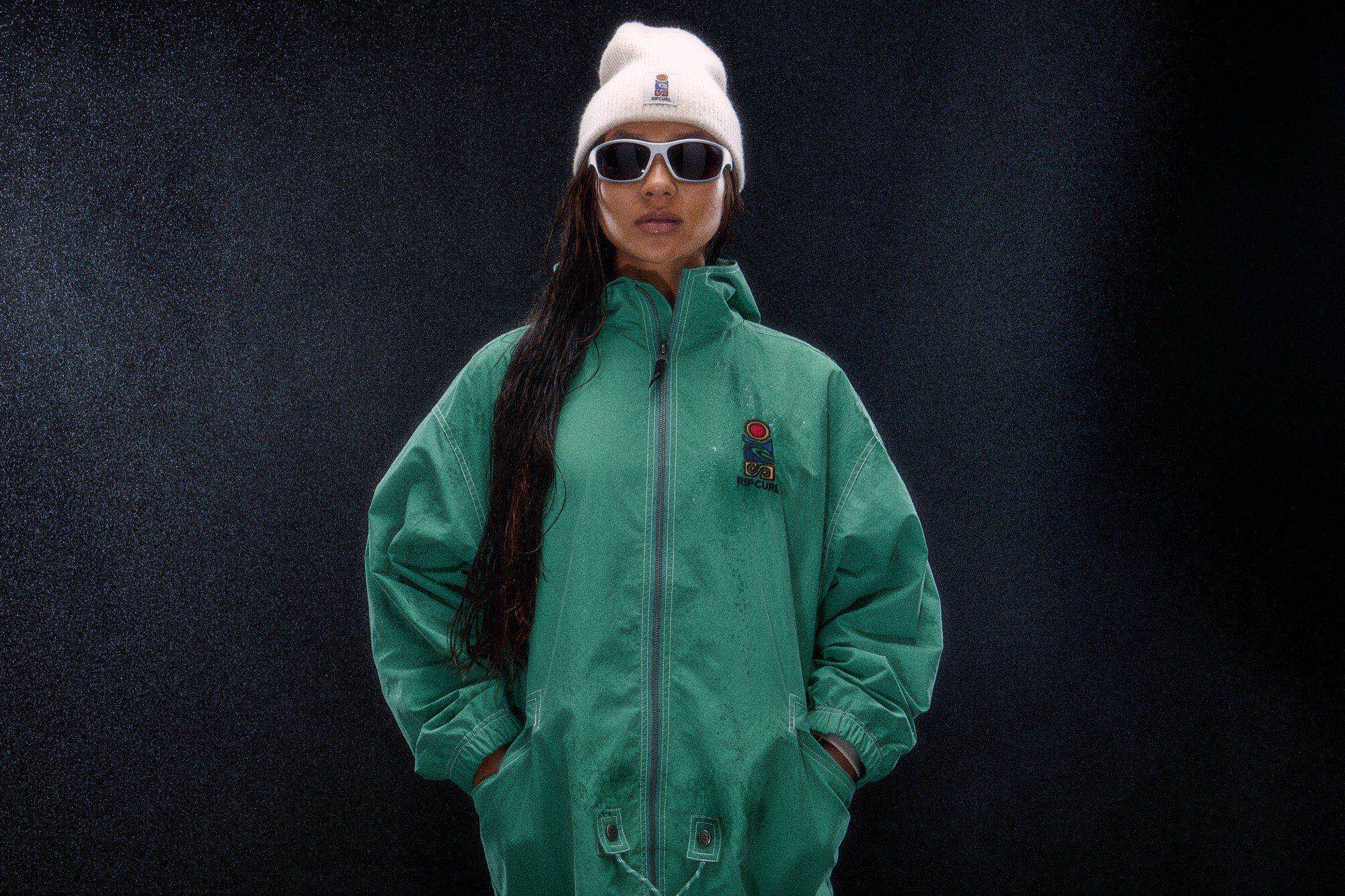
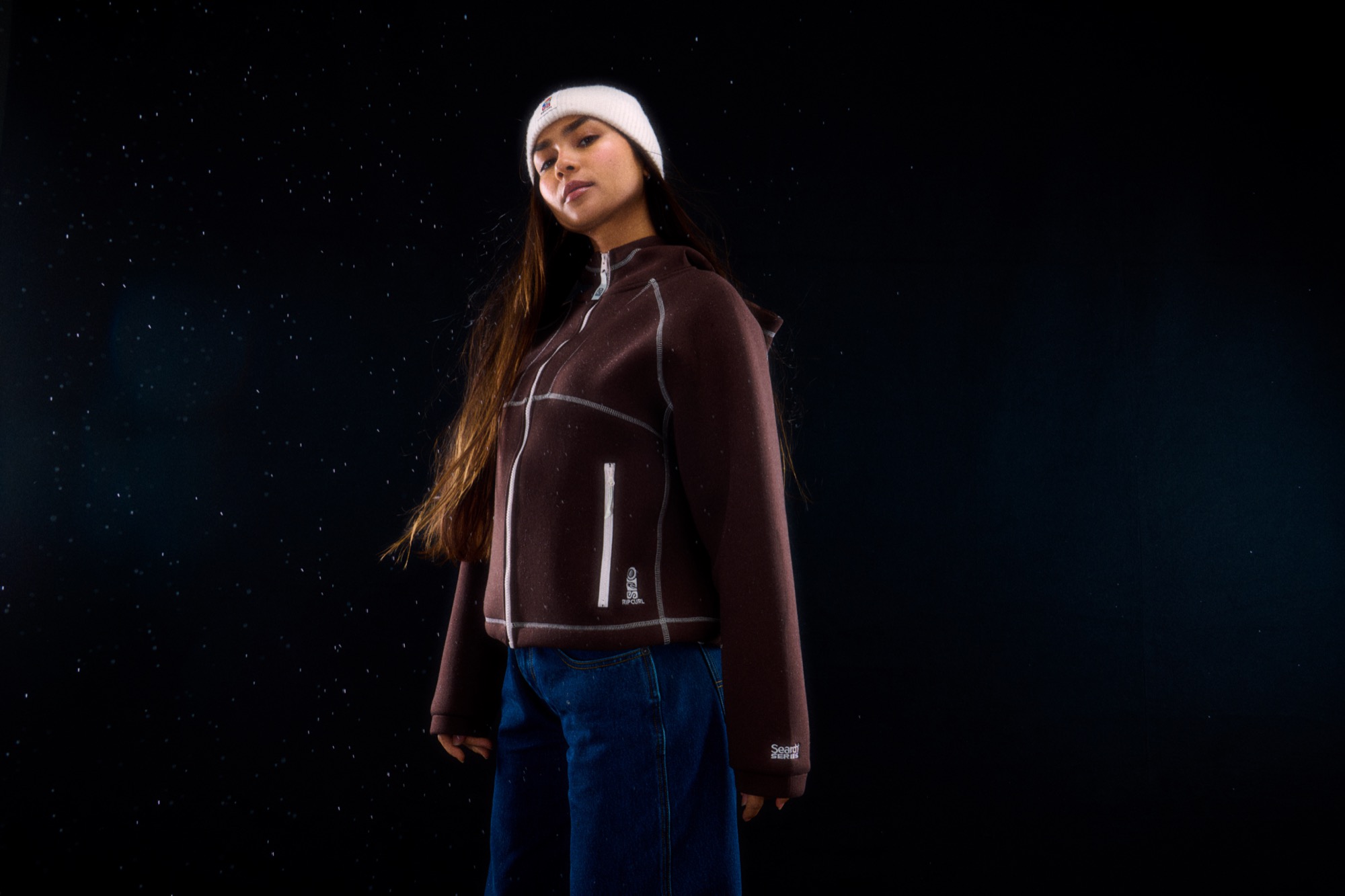
Rip Curl has launched Search Series, and its 2025 World Champion Molly Picklum helped get it ready.
She tested the collection in the water before it went live worldwide on 1 September. Search Series is the most technical range Rip Curl has put out, made for surfing and for the travel that comes with chasing waves. There are water pieces built to perform, plus everyday layers that hold up when the weather turns and still look right once you're off the beach.
The women's line covers a lot of ground, from swimwear and boardshorts through to apparel, travel luggage and warmer mountainwear, so one kit bag can more or less see you through a whole trip.
The pull to get out there and see where the surf takes you.
A lot of the technical side comes from the fabrics. Rip Curl worked with specialist mills and used materials from CORDURA, Polartec and Pertex across the range.
The name comes from The Search, the idea Rip Curl was built on when it started in Torquay, Australia, in 1969. It began as a hunt for waves and grew into something bigger.
Rip Curl is running the launch under the line "Born From Culture. Built For Purpose.", surf roots paired with gear that works well beyond the water.
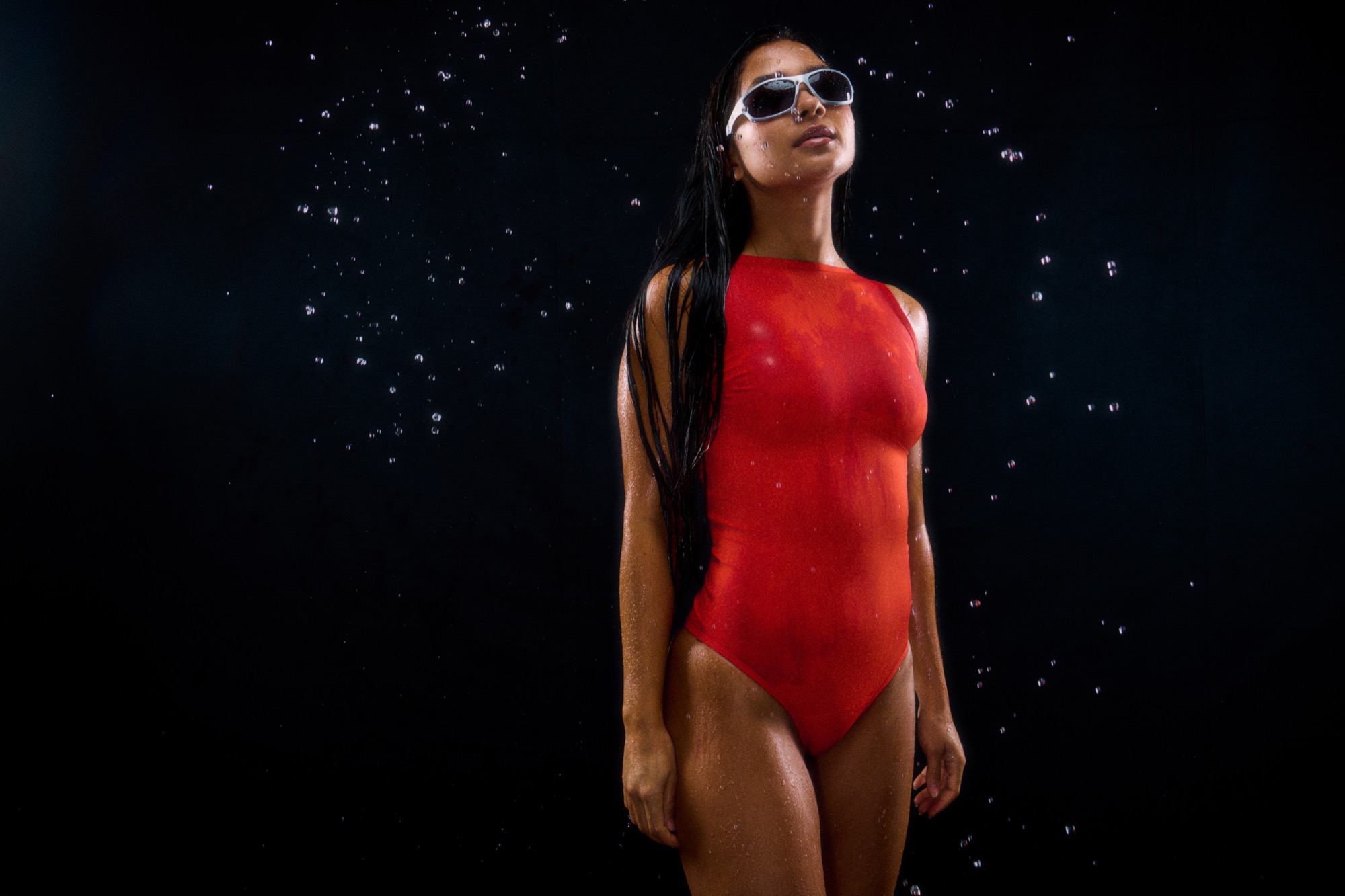
Welded seams and no hardware give the One Piece a smooth, second-skin feel. Lightweight, single-layer Sea Suede fabric keeps you free in the water, while a flattering cut and reliable coverage keep you feeling confident in the surf.
]]>https://surfgirlmag.com/rip-curl-unveils-search-series/feed/0SurfGirl Summer Essentials
https://surfgirlmag.com/summer-surf-essentials/
https://surfgirlmag.com/summer-surf-essentials/#respondWed, 20 May 2026 15:27:59 +0000https://surfgirlmag.com/?p=282350Everything you need for a life by the waves — from dawn patrol essentials to sunset wind-down staples.
]]>The post SurfGirl Summer Essentials appeared first on SurfGirl Magazine.
]]>https://surfgirlmag.com/summer-surf-essentials/feed/0SurfGirl Summer Wetsuit Guide
https://surfgirlmag.com/surfgirl-summer-wetsuit-guide/
https://surfgirlmag.com/surfgirl-summer-wetsuit-guide/#respondWed, 20 May 2026 08:50:36 +0000https://surfgirlmag.com/?p=282080It’s time to think about a lighter and more flexible wetsuit for summer.
]]>The post SurfGirl Summer Wetsuit Guide appeared first on SurfGirl Magazine.
]]>https://surfgirlmag.com/surfgirl-summer-wetsuit-guide/feed/0Spring Escapes: Best Surf And Stays in Newquay
https://surfgirlmag.com/newquay-surf-guide-your-spring-escape/
https://surfgirlmag.com/newquay-surf-guide-your-spring-escape/#respondThu, 26 Mar 2026 19:40:57 +0000https://surfgirlmag.com/?p=281374Your complete guide to Newquay’s best surf spots, hotels, and surf schools for spring getaways.
]]>The post Spring Escapes: Best Surf And Stays in Newquay appeared first on SurfGirl Magazine.
]]>https://surfgirlmag.com/newquay-surf-guide-your-spring-escape/feed/0A Week With Surf Spirit
https://surfgirlmag.com/a-week-with-surf-spirit/
https://surfgirlmag.com/a-week-with-surf-spirit/#respondMon, 09 Feb 2026 11:56:33 +0000https://surfgirlmag.com/?p=280881Meet some of the girls who work in paradise, and find out what makes this surf retreat special.
]]>The post A Week With Surf Spirit appeared first on SurfGirl Magazine.
]]>https://surfgirlmag.com/a-week-with-surf-spirit/feed/0SurfGirl’s Guide To Indonesia
https://surfgirlmag.com/surfgirls-guide-to-indonesia/
https://surfgirlmag.com/surfgirls-guide-to-indonesia/#respondSat, 17 Jan 2026 09:00:36 +0000https://surfgirlmag.com/?p=280451Dreaming of a trip to paradise? Indonesia could be the next destination on your list.
]]>The post SurfGirl’s Guide To Indonesia appeared first on SurfGirl Magazine.
]]>https://surfgirlmag.com/surfgirls-guide-to-indonesia/feed/0SurfGirl Christmas Gift Guide
https://surfgirlmag.com/surfgirl-christmas-gear-guide-2025/
https://surfgirlmag.com/surfgirl-christmas-gear-guide-2025/#respondWed, 12 Nov 2025 14:27:15 +0000https://surfgirlmag.com/?p=279391Looking for the perfect gift? Whether it’s for a surfer, a beach lover, or an adventure seeker, we’ve got you covered.
]]>The post SurfGirl Christmas Gift Guide appeared first on SurfGirl Magazine.
]]>https://surfgirlmag.com/surfgirl-christmas-gear-guide-2025/feed/0SurfGirl Recommends
https://surfgirlmag.com/the-wild-doesnt-wait/
https://surfgirlmag.com/the-wild-doesnt-wait/#respondMon, 27 Oct 2025 14:19:05 +0000https://surfgirlmag.com/?p=279105The Wild Doesn’t Wait
]]>The post SurfGirl Recommends appeared first on SurfGirl Magazine.
]]>https://surfgirlmag.com/the-wild-doesnt-wait/feed/0Winter Gear Edit – Seasonal Staples
https://surfgirlmag.com/winter-gear-edit-seasonal-staples/
https://surfgirlmag.com/winter-gear-edit-seasonal-staples/#respondFri, 24 Oct 2025 08:00:34 +0000https://surfgirlmag.com/?p=278845Get ready for darker dawnies, brisk swims, and embracing the wild this winter.